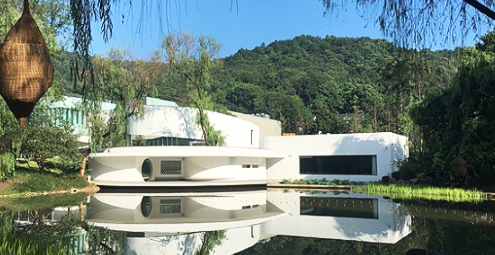
China National Silk Museum
Introduction
The China National Silk Museum, located at 73-1 Yuhuangshan Road in Hangzhou, Zhejiang province, stands as a prominent cultural institution in China, dedicated to the conservation and promotion of silk heritage. Established in the early 1990s, it holds the distinction of being the country's first State-level silk-themed museum. It is strategically positioned on the southern bank of West Lake, a location that enriches its cultural and historical significance. As the world’s largest silk museum, its establishment aligns with China's historical emphasis on silk, a pivotal product that has long been associated with the country, particularly through its transportation along the ancient Silk Road. The museum's primary mission is to research and preserve Chinese textile relics, offering a window into the nation’s rich history of silk production and its influence across various dynasties.
Architecture and Design
The China National Silk Museum is an architectural marvel, blending traditional Chinese design elements with modern aesthetics to create a space that is both functional and symbolic of its mission. The museum's layout is designed to guide visitors through the vast narrative of silk history, with thoughtfully curated spaces that showcase different dynastic influences and modern silk production techniques. The architecture also incorporates sustainable building practices, reflecting the museum's commitment to preserving not just historical artifacts but also environmental resources. The design facilitates an engaging visitor experience, allowing them to immerse themselves in the intricate world of silk through interactive exhibits and multimedia presentations.
Exhibitions and Collections
The museum houses an impressive collection of silk artifacts, ranging from ancient textile relics to contemporary silk artworks. One of the most distinctive features of its collection is the textile relics unearthed along the ancient Silk Road, complemented by traditional European garments that highlight the cross-cultural exchanges facilitated by silk trade. Recent exhibitions have included a display of 16th-17th-century luxurious silks and velvets from Hungary’s Esterhazy family, showcasing men’s clothing, horse saddles, and household items. The museum also hosts exhibitions celebrating Asian fashion. These exhibitions not only display historical pieces but also offer visitors the opportunity to experience traditional dyeing, weaving, and embroidery crafts.
Educational Programs
The China National Silk Museum offers a wide array of educational programs designed to engage visitors of all ages in the history and techniques of silk production. Special events for children, such as those held on International Children’s Day, include activities like silk reeling, weaving, and making patchwork related to traditional dress culture. These programs aim to educate the younger generation about the significance of silk in Chinese culture and history. Additionally, the museum organizes hands-on workshops and lectures for adults, focusing on the conservation of textiles and the intricacies of silk-making techniques. These educational initiatives are integral to the museum's mission of preserving and disseminating knowledge about this vital aspect of Chinese heritage.
Research and Innovation
The China National Silk Museum is at the forefront of research and innovation in the field of textile conservation and silk studies. The museum has completed significant projects, such as conserving textiles unearthed from a Han Dynasty beacon tower at the Maquanwan site in Dunhuang, Gansu province. This project involved the strengthening and repair of 112 pieces of textile, which were then carefully packaged for future display. By combining traditional techniques with modern scientific methods, the museum continues to push the boundaries of what is possible in the field of textile conservation.
Cultural Significance
The China National Silk Museum is not just a repository of artifacts; it is a symbol of China's rich cultural and historical legacy. Silk, as one of China's most significant contributions to the world, serves as a bridge connecting various cultures and histories. The museum's exhibitions and programs highlight the cultural significance of silk, both within China and across the globe.
Visitor Information
Visitors to the China National Silk Museum can access a wealth of information about its operations and exhibitions through its official websites. The museum is open from 9:00 to 17:00 from Tuesday to Sunday, and 9:00 to 12:00 on Mondays, with closures on Monday afternoons except for national holidays. Admission to the museum is free, making it accessible to a broad audience. By providing a diverse range of exhibits, educational programs, and research initiatives, the China National Silk Museum offers an enriching experience for visitors, inviting them to explore the fascinating world of silk and its profound impact on human history.








